

Flow in Final Fantasy – What do you mean I just played this game for 12 hours straight?
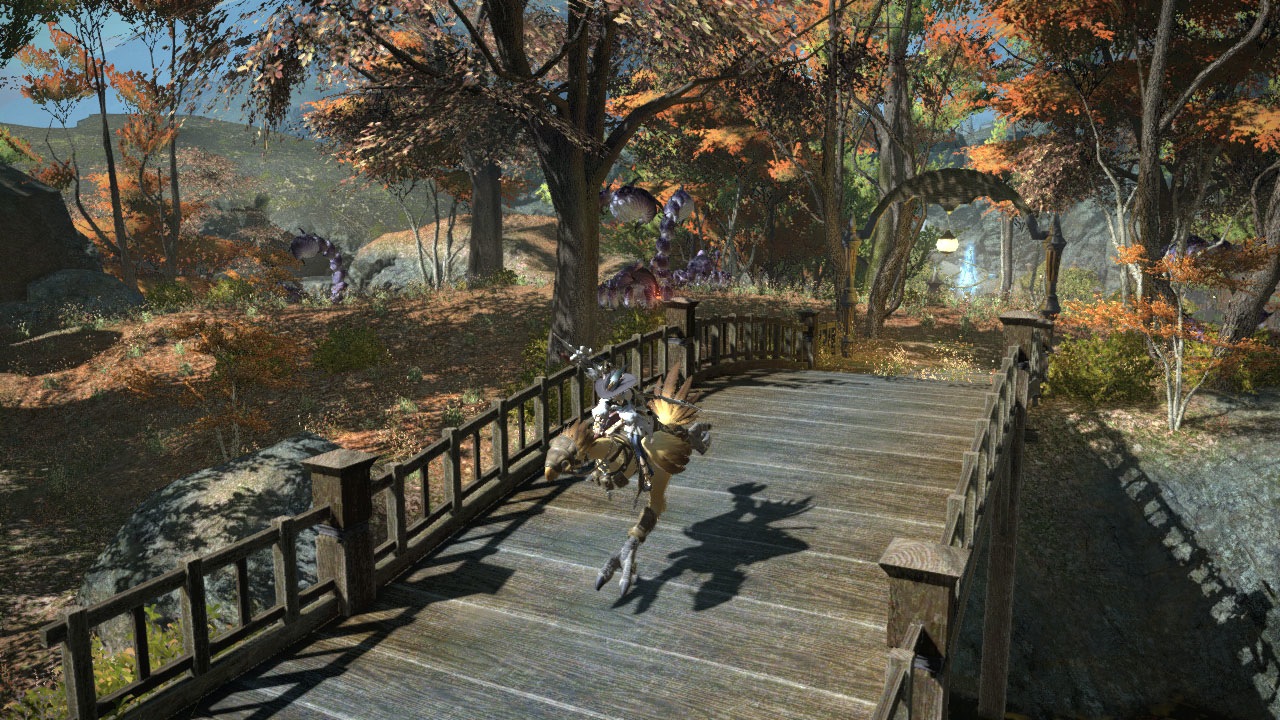
Post by Game Design I student Jessica McCully Anyone who’s gotten into an MMO – really into an MMO – can relate to this experience, time passing by too quickly to be tracked, a sun that rose or set without you noticing, meals skipped without a thought. This experience is so potent and common that it’s […]
UNITE 2015 Takeaways: Part 2

This is the second and final post covering our key takeaways from Unite 2015. Click here to view the first post. Greg Rogers, Design and Narrative Lead; Perspective Virtual Reality VR is a major buzzword in the game industry right now. Headsets, including the Oculus Rift, HTC Vive, Google Cardboard, and Playstation VR (among others), […]
UNITE 2015 Takeaways with Dr. Fredrick and Taylor Yust
In September, the Tesseract lead developers were able to attend UNITE 2015, the Unity 3D developer conference, in Boston from the 21st to the 24th. As always, there were some really amazing presentations, and a helpful glimpse into the future of Unity for the upcoming year or two. While there were some great sessions, and the bowling-pool […]
“Mythos Unbound” receives awards in Norway
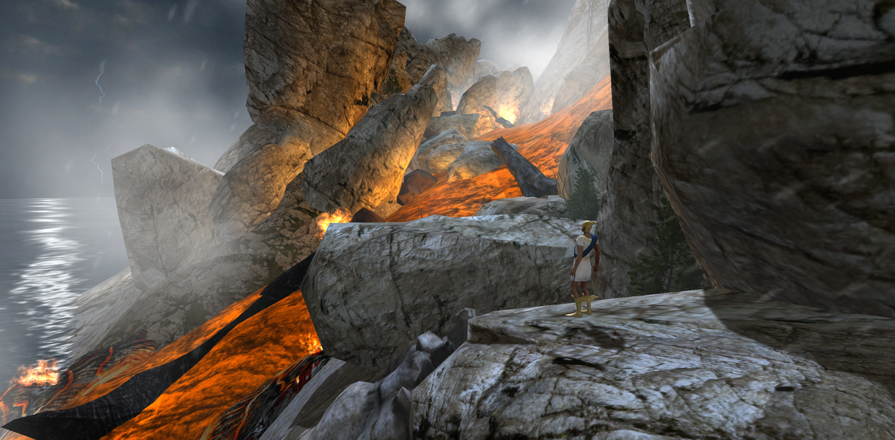
The Tesseract Studio received top honors at the 9th Annual European Conference for Game Based Learning in Steinkjer, Norway on Oct. 9, 2015. The Studio’s initial release, Mythos Unbound (CLST 2323), tied for first place in the computer-based games category, and received third place in the overall game competition at the conference. The game was developed […]
Super Meat Boy: A better love story than Twilight
Post by Game Design I student Diego Calderon Jesse Schell explains in his book, “The Art of Game Design”, that there are four essential elements in a game: Mechanics, Story, Aesthetics, and Technology. He refers to these elements as an Elemental Tetrad. Aesthetics are the most visible element of a game. Super Meat Boy may look weird […]
Okami – Culture and Meaning in a Game
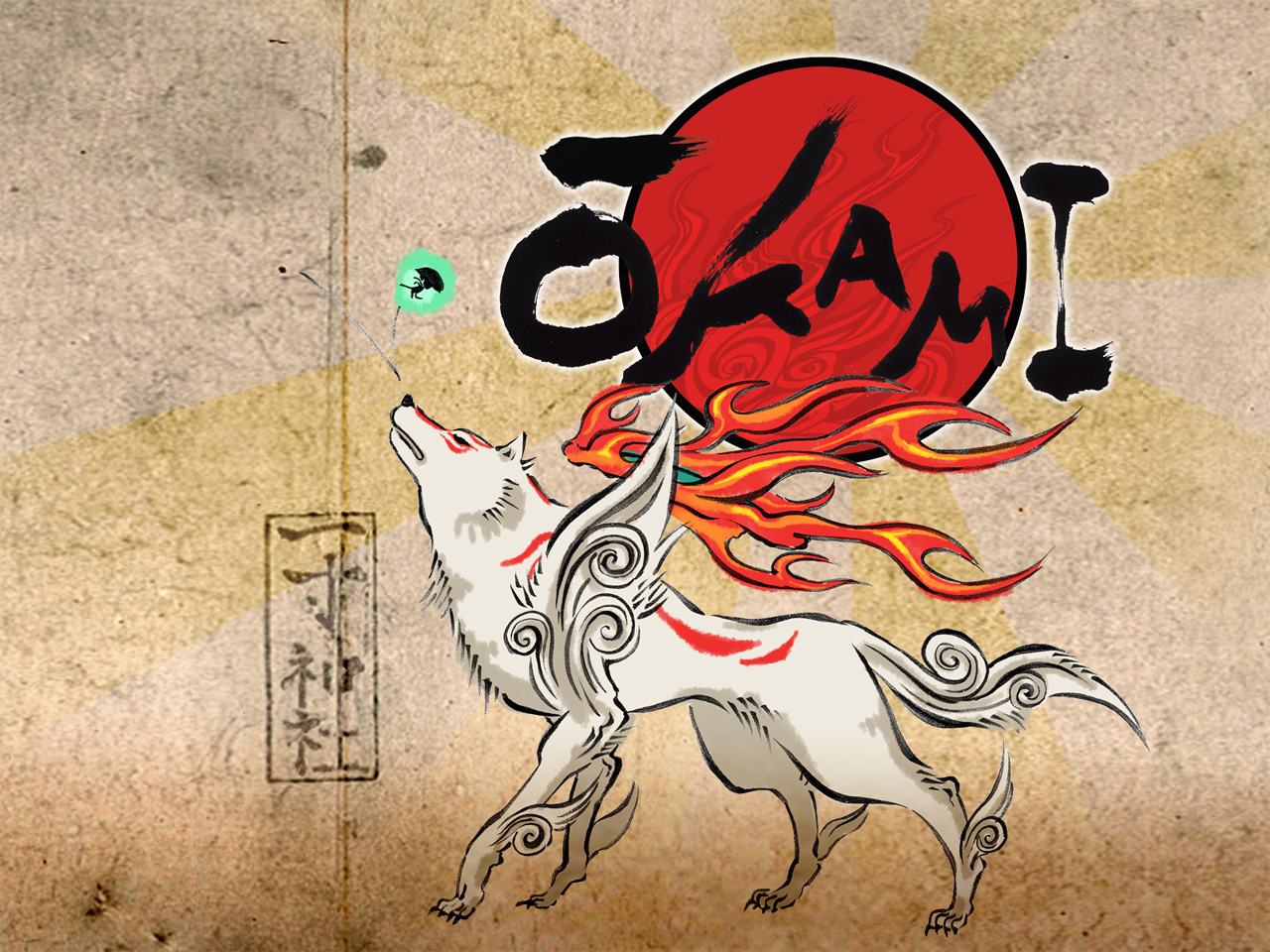
Post by Game Design I student Jessica McCully Okami – developed by Clover Studio and published by Capcom, released on PlayStation 2 in 2006 and the Nintendo Wii in 2008. Years later, it remains one of the most unique and memorable games I have ever played, and ranks highly if not first in my list […]
Re-Animation : Breathing Life Into the Characters of Ancient Rome
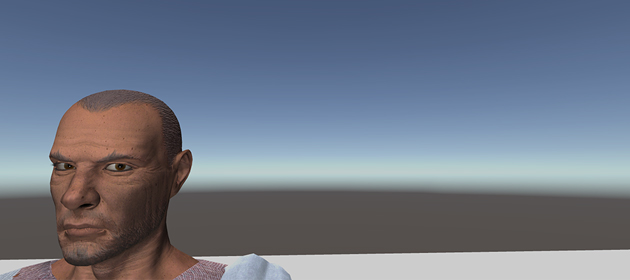
“To bring to life, to inspire.” That’s how the Romans defined their word “animare”, the root from where we get our word for “animation.” That is what animation should do for games. But it’s not so easy. Historically, two factors made it difficult to create good quality animation in games. First, until the present time, […]
“Real” Space vs. “Game” Space: Greyboxing and Level Design
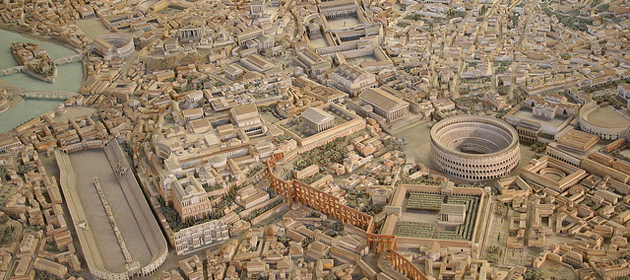
The very existence of Rome’s urban landscape is a history lesson. It is a unique experience to walk its streets. Layers of the past pile on top of each other into an amalgam over two thousand years in the making. Renaissance constructions, built in the midst of medieval structures, have in turn have been repurposed […]
The Turbulent Waters within the Triangle of Story, Gameplay, and History
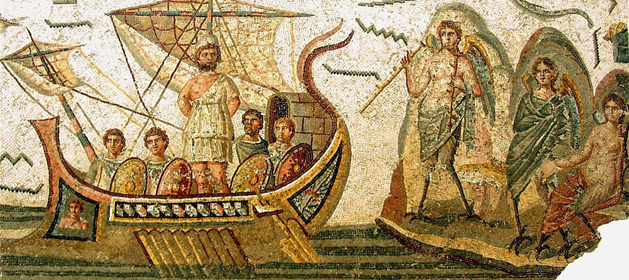
When we here at Tesseract set out to transform an online Roman Civilization course into a video game, we didn’t do so simply because games are fun; we did so because the medium lends itself to a unique style of pedagogy that engages students in ways unlike standard lecture-based methods…its own kind of language, if […]
Student Profile: Bon Voyage, Will Loder!
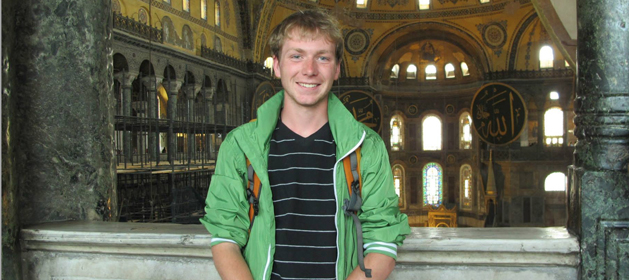
Our success is owed to the driven, creative college students who are the bedrock of Tesseract’s team. The bittersweet result is that after months of chasing deadlines together and pushing the limits of what we can do, these students graduate and go forge a new path in the world. Bentonville native Will Loder, 22, graduated […]